
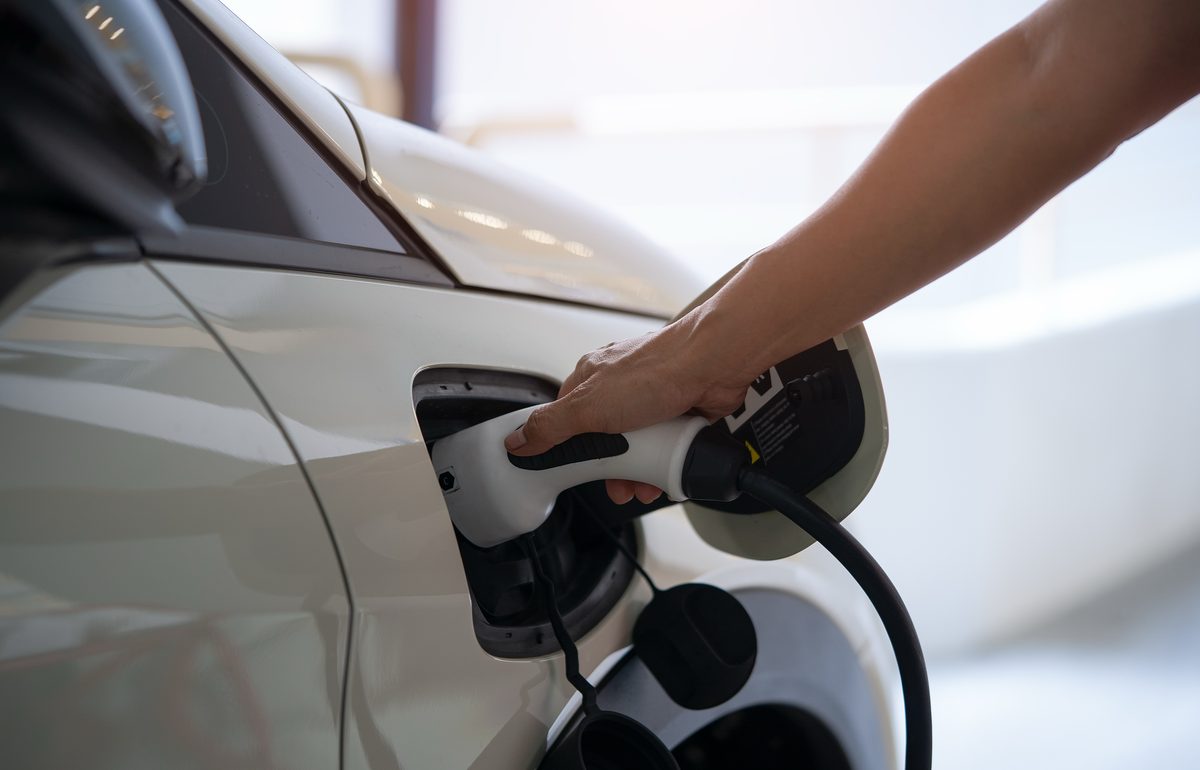
PHEV or BEV?
New energy vehicles generally fall into two categories:
- Plug-in Hybrid Electric Vehicles (PHEVs): combine a combustion engine with a smaller rechargeable battery.
- Battery Electric Vehicles (BEVs): run entirely on electricity and normally have larger battery packs.
Because their battery capacities and driving patterns differ, they often require different charging solutions.
Understanding EV Charging Equipment
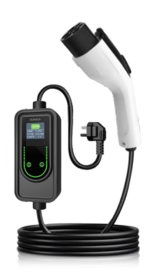 Portable Charger
3.5 kW for PHEV and occasional charging
 AC Charger
7 kW, 11 kW, and 22 kW home or site charging
 DC Charger
50 kW+ rapid energy replenishment
Portable EV Chargers
A 3.5 kW portable EV charger can typically use a suitable household socket, making it a convenient option for home or emergency charging.
Higher-power portable chargers, including 7 kW, 11 kW, and 22 kW models, are also available. However, they may require dedicated circuits, industrial sockets, or three-phase electricity, making them less portable in real-world use.
AC Home Chargers
Home AC chargers commonly offer:
- 7 kW: usually single-phase
- 11 kW: usually three-phase
- 22 kW: three-phase
| Charging power | Calculation | Ideal time | Practical note |
|---|---|---|---|
| 7 kW AC | 83 / 7 | 11.9 hours | Good fit for overnight private charging. |
| 11 kW AC | 83 / 11 | 7.5 hours | Useful where three-phase electricity is available. |
| 22 kW AC | 83 / 22 | 3.8 hours | Higher installation requirements and vehicle limits apply. |
In practice, allow approximately 10%-15% more time for charging losses, battery temperature, and power management. The vehicle's onboard AC charger may also limit the actual charging speed.
DC Fast Chargers
DC charging systems range from approximately 30 kW to 1 MW, depending on the vehicle and application. Their main purpose is rapid energy replenishment for passenger vehicles, commercial fleets, buses, and heavy-duty electric trucks.
Choosing a Charger for Your Driving Scenario
For Plug-in Hybrid Vehicles
A portable charger is sufficient for many PHEV owners. For a 22 kWh battery using a 3.5 kW charger, the ideal time is 22 / 3.5 = 6.3 hours. Including normal charging losses, a full charge may take approximately 7 hours, which is well suited to overnight charging.
For Private Battery Electric Vehicles
For most private EV owners, a 7 kW home charger offers a practical balance of charging speed, installation cost, and everyday convenience. Simply plug in after work and start the next day with a charged battery. Because 7 kW chargers commonly use single-phase power, installation is often more affordable than higher-power three-phase systems.
For Commercial Electric Vehicles
Commercial vehicles with higher daily mileage may benefit from 11 kW or 22 kW AC charging. These chargers normally require three-phase electricity and may involve higher costs for cabling, electrical upgrades, protection equipment, and installation.
When Fast Charging Is Essential
A 50-120 kW DC charger can provide substantial energy within an hour, subject to the vehicle's maximum charging rate and battery condition.
For even faster charging, systems rated at 240 kW, 480 kW, and up to megawatt level are becoming available. However, the advertised rating is a peak value, not a constant charging speed. Power usually changes throughout the charging session and decreases as the battery approaches a high state of charge. Extreme heat or cold can also reduce charging performance.
The Right Charger Is the One That Fits Your Operation
Before selecting an EV charger, consider the vehicle's charging limit, available electrical supply, daily mileage, parking duration, and installation cost.